



“We Don’t Just Run Campaigns — We Win Elections”
Proven Results: MLA | MP | Minister | Independent Wins Across India Click2Public delivers data-driven political campaign management, digital strategy, and PR solutions designed to win elections and build strong public leadership.
Our Core Solutions
Comprehensive strategies tailored for political success and corporate growth
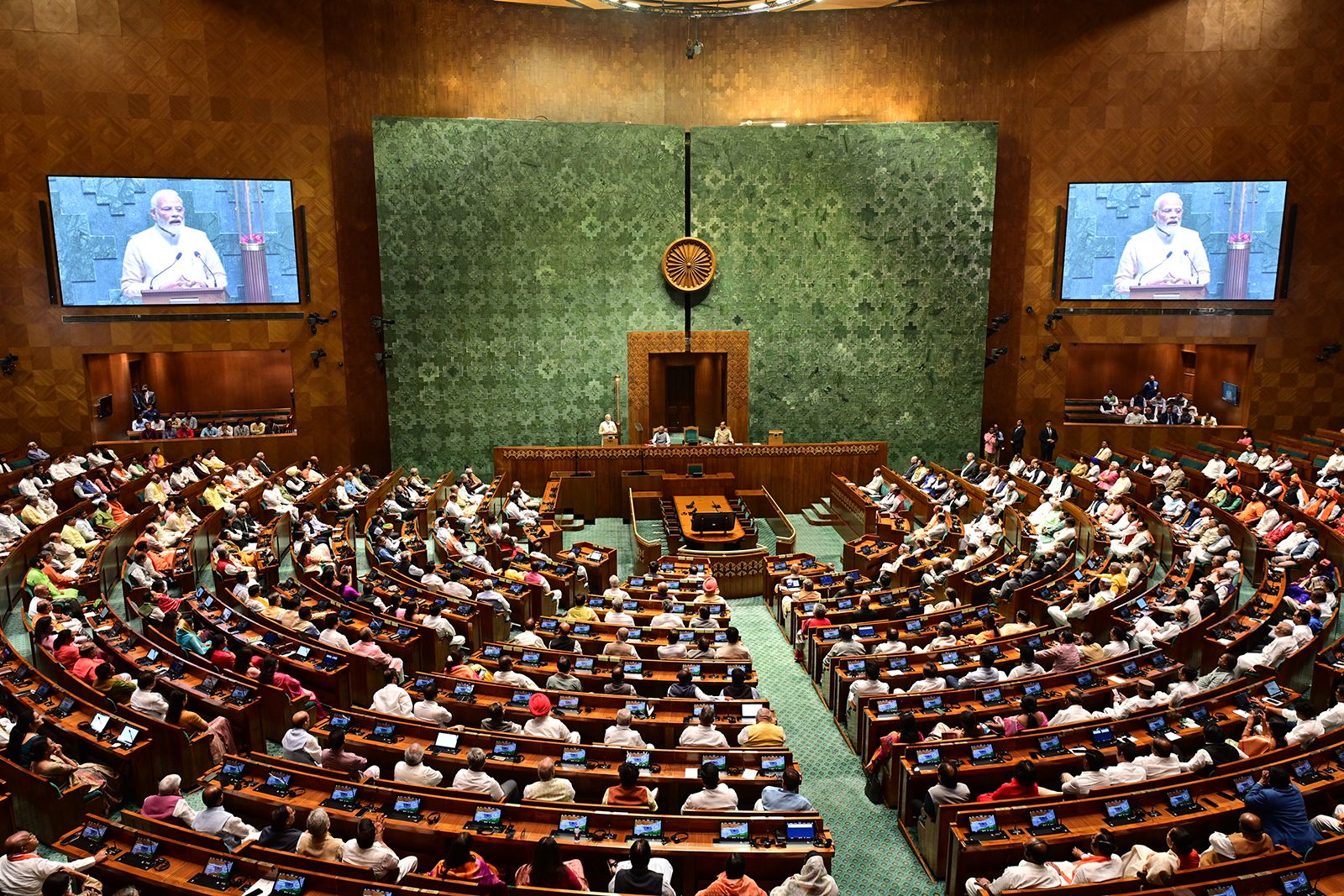
Political Solutions
End-to-end election campaign management with data-driven strategies to secure voter confidence and win elections.
Get Political StrategyPolitical Survey
Understand voter trends.
Political Management
End-to-end campaign control.
Booth Management
Booth-level analytics.
War Room
Real-time monitoring.
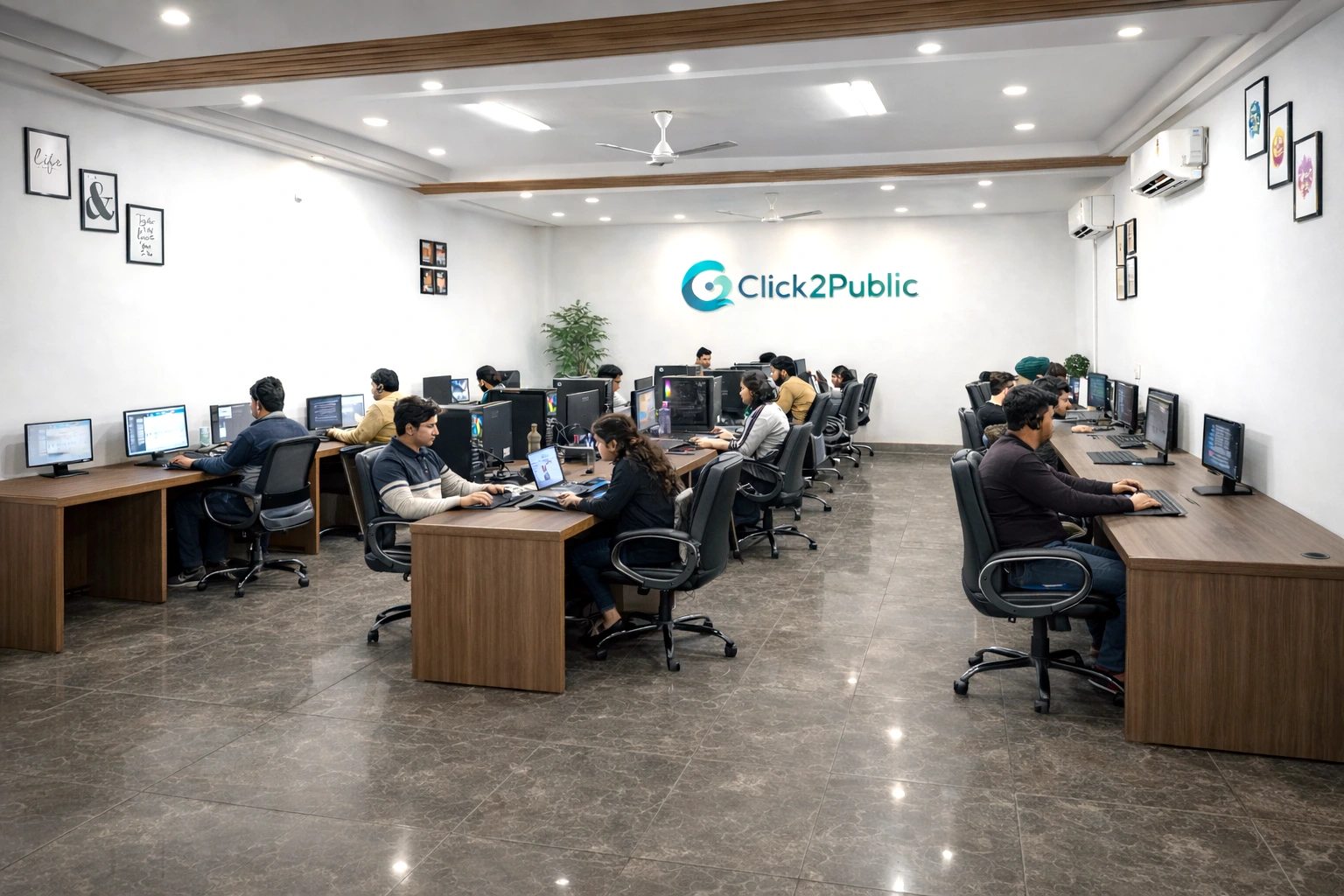
Corporate Solutions
Complete branding, marketing and digital growth services to elevate your business in competitive markets.
Explore Corporate GrowthBulk SMS
Send SMS to users.
Voice Calls
Automated calls.
Marketing campaigns.
Web Dev
Modern websites.
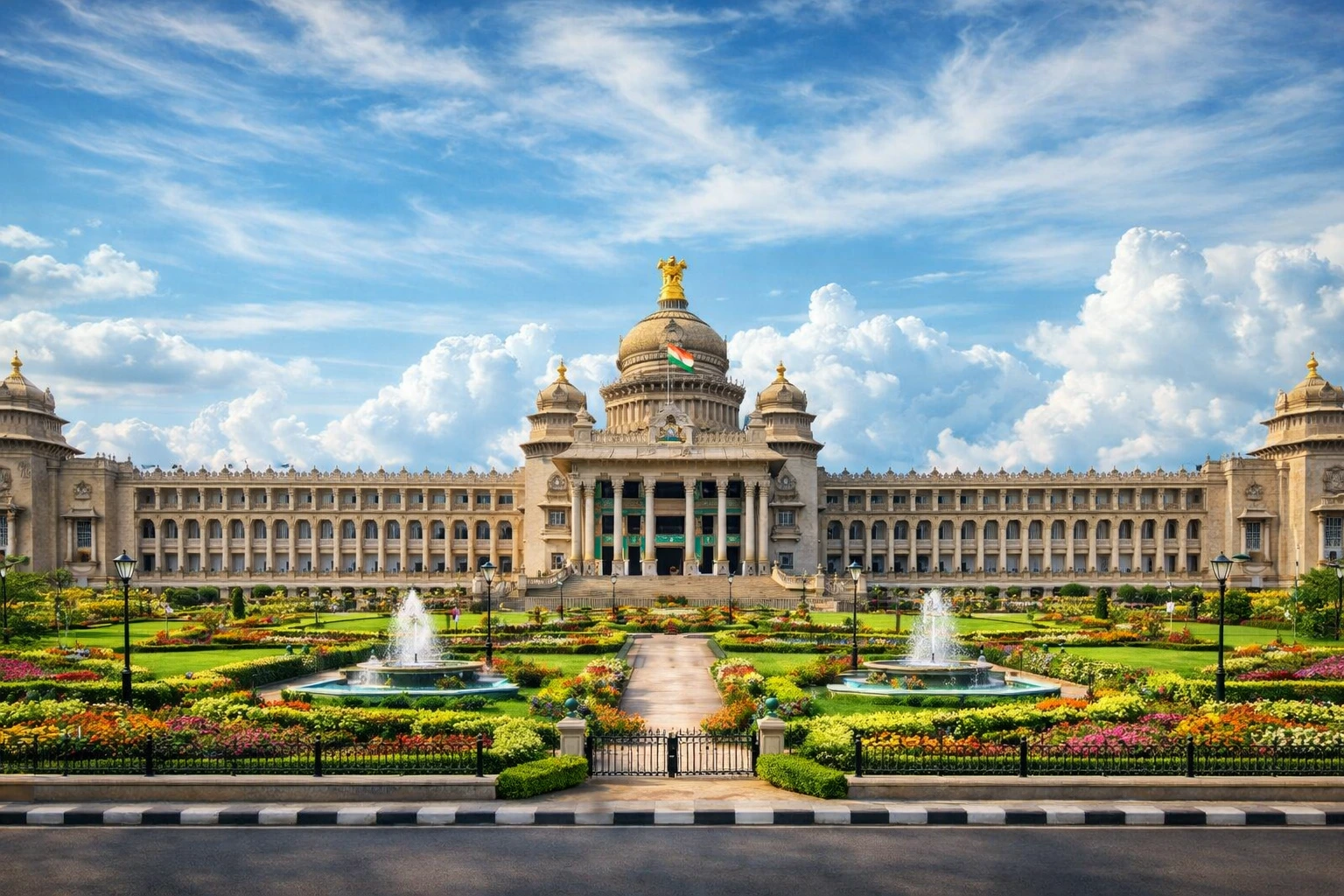
Government PR Solutions
Strategic communication, perception management and public outreach programs for government departments and public institutions.
Public Awareness
Citizen campaigns.
Media Outreach
Press & digital.
Citizen Connect
Direct engagement.
Sentiment Tracking
Public feedback.
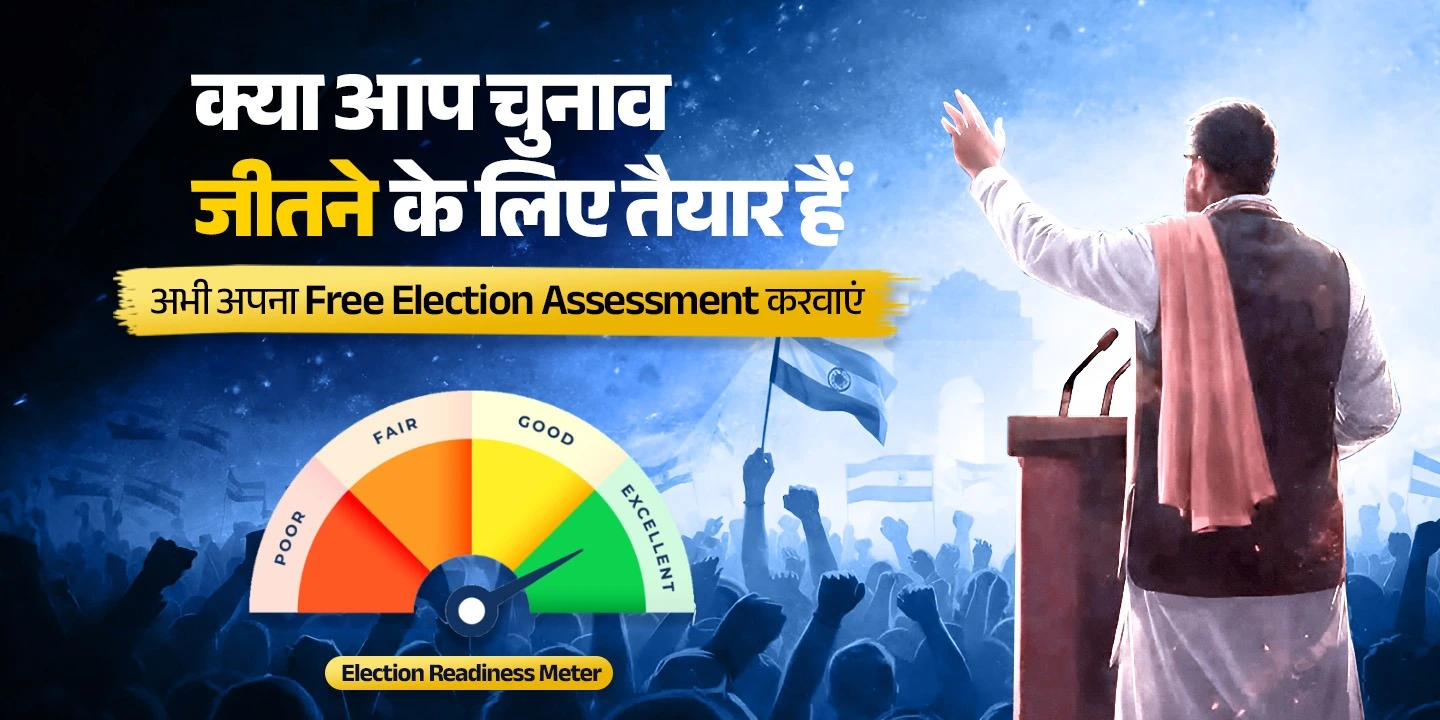
क्या आप चुनाव जीतने के लिए तैयार हैं?
अभी अपना Free Election Assessment करवाएं और जानें आपकी जीत की वास्तविक संभावना
🚀 Start Free Assessment🔒 गोपनीयता आश्वासन: Click2Public आपकी सभी जानकारी को 100% सुरक्षित और गोपनीय रखता है। इसे किसी भी तीसरे पक्ष या राजनीतिक संगठन के साथ साझा नहीं किया जाता है।
Why Choose Click2Public
We deliver measurable results through strategic expertise and innovative solutions
Data-Driven Strategies
Our campaigns are built on actionable insights and analytics for maximum impact.
Expert Team
Seasoned professionals with proven track records in both political and corporate sectors.
Rapid Execution
Quick turnaround without compromising on quality or strategic depth.
Measurable Results
Transparent reporting with clear metrics to track campaign success.
Client Testimonials
Trusted by MLAs, MPs & National Leaders
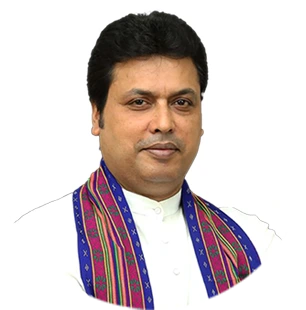
Biplab Kumar Deb
MP Tripura West(Ex CM Tripura)
Their digital marketing and election-focused social media strategy helped amplify our message across platforms with strong engagement.
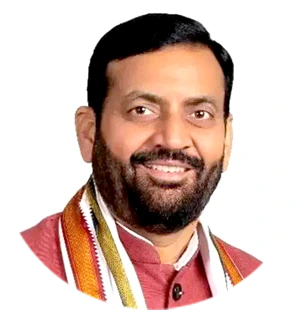
Nayab Singh Saini
CM HaryanaClick2Public executed focused digital campaigns and social media outreach that significantly enhanced our online visibility during the election.
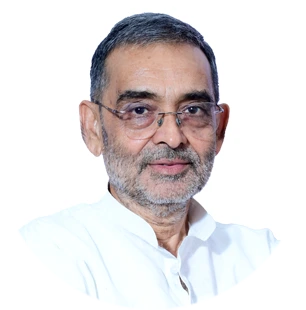
Upendra Kushwaha
National President-RLM(MP Rajya Sabha)
Their data driven approach and digital planning helped us connect better with grassroots voters.
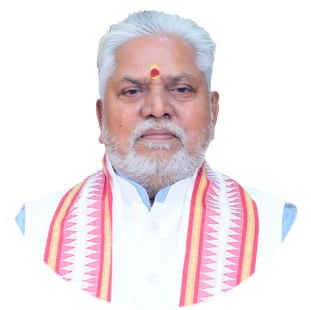
Dr. Prem Kumar
Speaker Bihar Assembly(Ex Minister Bihar Government)
The team brought clarity, structure, and measurable results to our campaign, significantly improving voter outreach.
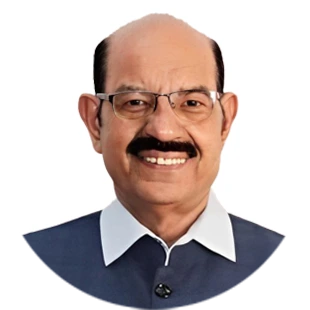
Mohinder Bhagat
Minister, Punjab governmentThe team brought clarity, structure, and measurable results to our campaign, significantly improving voter outreach.
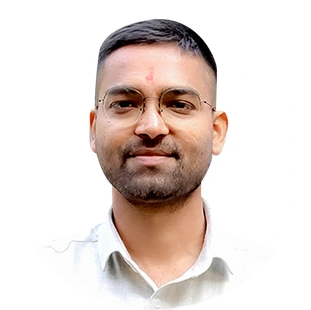
Deepak Prakash
Minister, Bihar governmentTheir strategic approach and digital expertise helped us connect better with the public, making our campaign more effective and impactful.
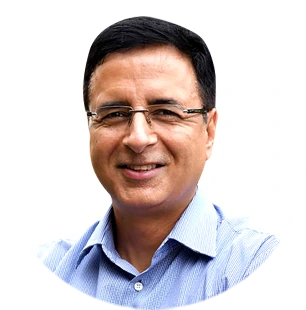
Randeep Surjewala
MP Rajya SabhaClick2Public strengthened our digital presence with clear messaging and impactful social media campaigns that connected well with voters online.
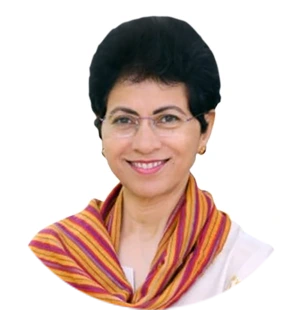
Kumari Selja
MP SirsaClick2Public delivered excellent campaign visibility and high quality digital communication.
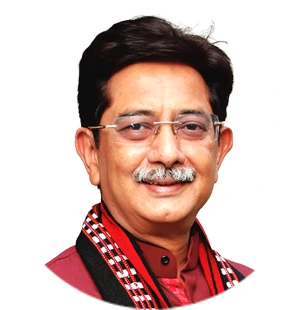
Anurag Sharma
MP JhansiThe team at Click2Public delivered a well-structured digital campaign with strong data insights and effective voter engagement.
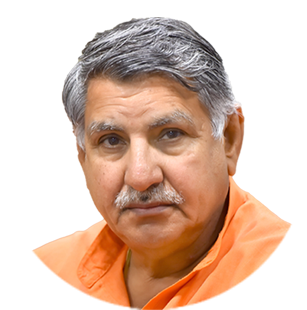
Dharambir Singh
MP Bhiwani-MahendragarhClick2Public's data-driven digital planning helped us reach the right voters with precision. The execution was timely and highly effective.
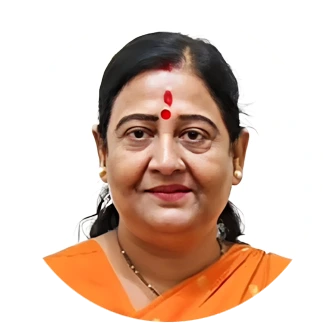
Veena Devi
MP VaishaliClick2Public delivered consistent results through strong content strategy and impactful voter engagement.
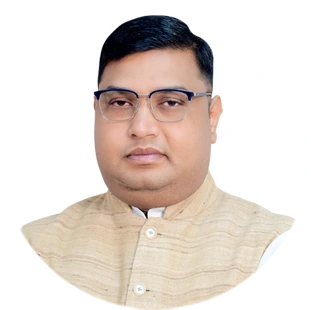
Jayant Raj Kushwaha
MLA Amarpur(Ex Minister Bihar)
The team demonstrated strong planning and execution, ensuring our message reached the right audience at the right time.
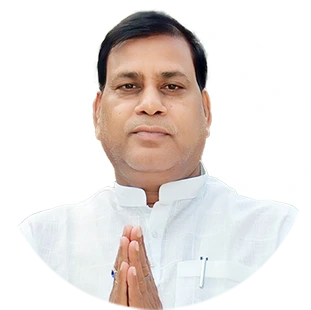
Santosh Kumar Nirala
MLA Rajpur(Ex Minister Bihar)
Their innovative ideas and consistent support played a key role in strengthening our public engagement and campaign visibility.
Our Winning Campaigns - Real Campaigns, Real Results.
See how we helped candidates win with strategy, execution, and data-driven campaigns.
Built a Minister's digital presence from absolute zero — no prior audience, no electoral background — to 55M+ views, 6M+ unique reach, and 1.8M+ engagements. 100% organic. Zero rupees on ads.
View Case Study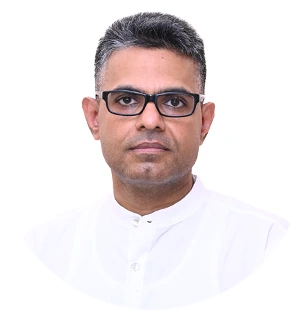
Transformed a first-time candidate into a winning MLA in 30 days — defeating a long-dominant RJD opponent through war-room execution, 40M+ digital views, and synchronized ground + digital operations.
View Case Study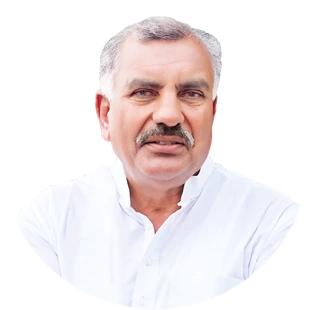
Designed a precision campaign strategy for a highly volatile, swing-driven seat where no party has held sustained dominance — turning data insights into a clear roadmap for electoral victory.
View Case Study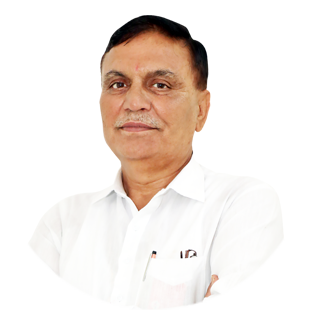
Denied a party ticket 3 times, Rajesh Joon won as an Independent with 46% vote share — defeating BJP, INC, and INLD. A 6-month campaign turned repeated setbacks into a dominant, historic victory.
View Case Study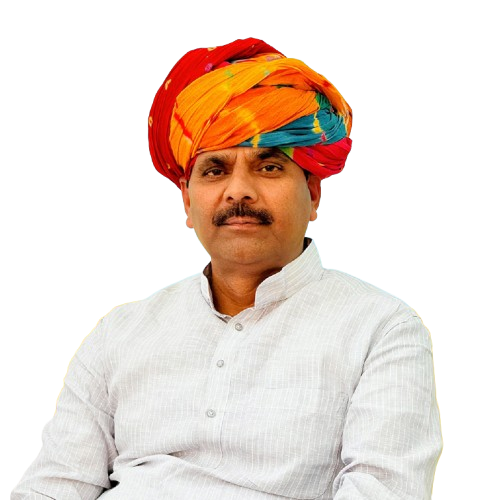
Delivered BJP's first-ever win in Nawalgarh — a historically non-BJP seat — through a 30-day high-intensity campaign, achieving 53.96% vote share and a 23,180-vote winning margin.
View Case Study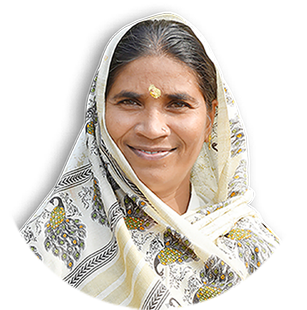
Executed a 90-day ground-driven campaign in a remote, tribal constituency with limited digital access — delivering back-to-back wins in 2018 (48% vote share) and 2023 (41.48%, margin 9,804 votes).
View Case Study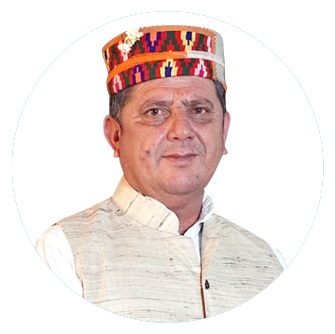
Converted a previously BJP-held hill constituency with precision targeting and consistent voter engagement — flipping the seat for INC with 49.46% vote share in a closely contested 2022 election.
View Case Study
Led a full digital campaign in an urban by-election — delivering 58.39% vote share and a 37,325-vote margin. Post-win, Mohinder Bhagat was appointed Minister for Defence Services Welfare, Punjab.
View Case Study
Managed end-to-end social media and digital communication for the Congress Sandesh Yatra — converting every ground event into statewide digital reach with real-time content, message consistency, and platform-wide engagement.
View Case Study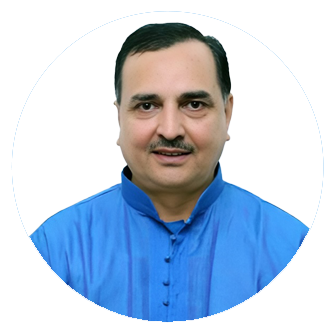
Supported campaign strategy and communication for a tightly contested Lok Sabha seat — defeating an incumbent BJP candidate with targeted voter outreach and disciplined messaging across a complex, multi-party constituency.
View Case Study
Managed a 4-month full-scale Lok Sabha campaign integrating digital strategy with ground coordination — delivering a decisive re-election with 50% vote share and a 1,02,614-vote margin in Jhansi constituency.
View Case Study
Managed multi-seat election campaigns across 4 constituencies for RLM under NDA — delivering a 4/6 win strike rate. Post-election, awarded full party-level social media mandate including Upendra Kushwaha and all winning MLAs.
View Case Study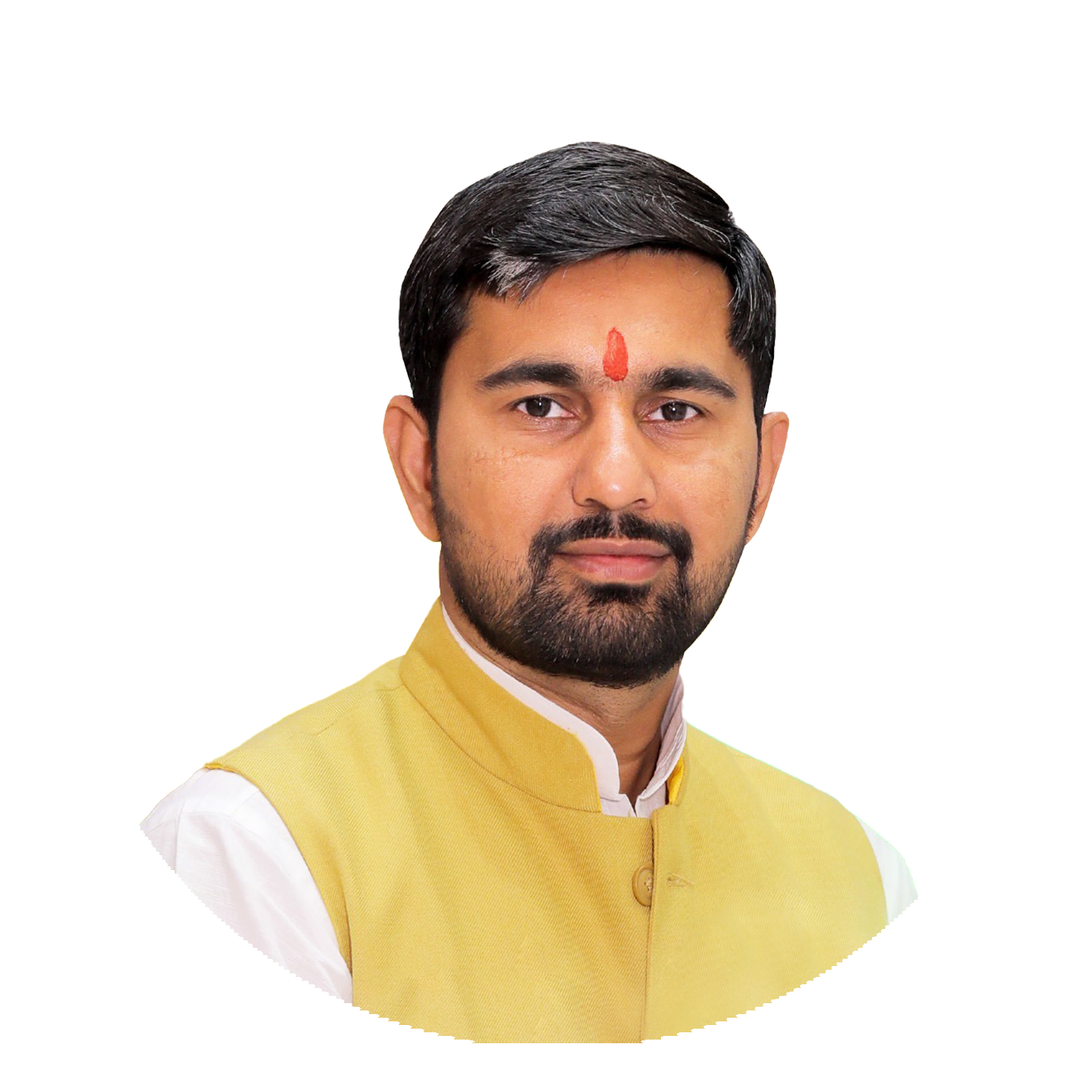
Transformed an emerging youth leader into the No. 1 preferred BJP candidate in Meerut South — defeating a sitting Minister of State in public surveys with 62% preference vs 26%, in just 45 days.
View Case Study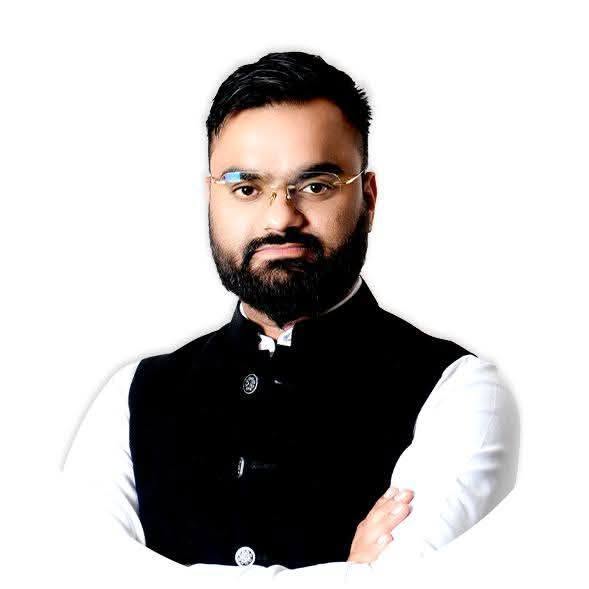
Built a powerful social movement combining cultural revival, environmental conservation & grassroots development. Ganga Padyatra 2026 with 11K+ plantations & Grand Monthly Ganga Aarti at Buxar Dham driving 300%+ local economic growth.
View Case StudyInsights & Guides
Expert articles on political campaign strategy and election management.
Frequently Asked Questions
Everything you need to know about political campaign management in India.



THANK YOU
We Are Here For Serve You, Not to Defeat You